
Cinco de Mayo
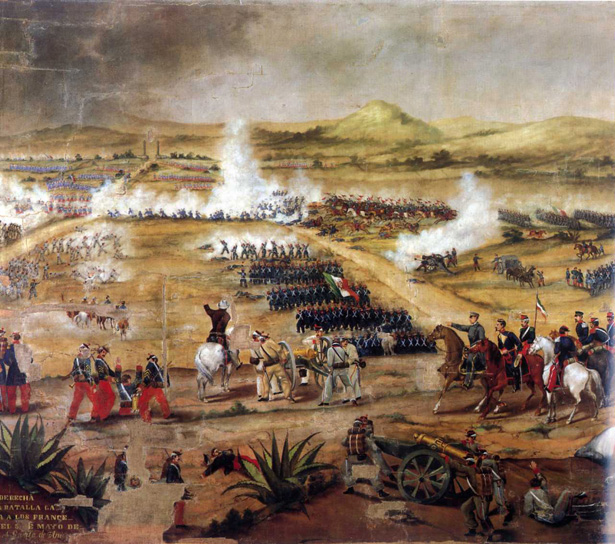
For those who don’t speak Spanish, and for those who can’t guess, Cinco de Mayo simply means “Fifth of May”. Although historically in celebration of a “David and Goliath” style Mexican military victory over French Imperialists in 1862 (who, by the way, were not entirely without support from the British and Spanish Imperialists of the day) what goes on nowadays on 5th May is really a broader celebration of Mexican-American culture. While I am sure there is more to it, inevitably today this is about Mexican food, beer and tequila !

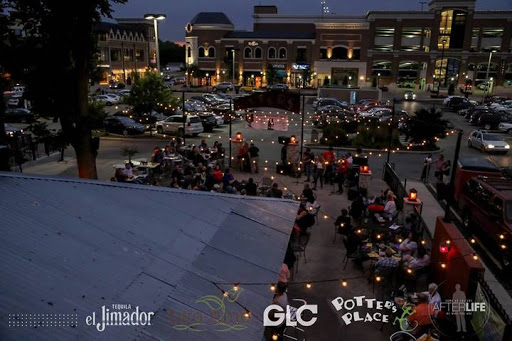
Battle for Mexico Battle for a table in Downtown Naperville
Colleagues in Mexico itself maintain that Cinco de Mayo is not a big deal in their country. Indeed, it seems to have been picked up by larger diasporas of Mexican emigrants in the USA, benefiting from a commercial boost in the 1980’s from (you guessed it !) increased advertising from beer and tequila companies. Chicago(land) is no exception…so we’re in luck as Cinco de Mayo usually provides us with an excuse to kick off the summer outdoor party season (sadly, not this year) !
Tamales
Tamales are probably one of the oldest surviving snack foods in the world. Originally Mesoamerican – that broader spacetime known as pre-Conquistador Central America – it’s maybe no accident that we eat this simple food to remind ourselves of a day the local guys sent the Imperialist Oppressors packing off the battlefield. We all love to support the underdog ! (Perhaps if an enterprising baker had been present at the Battle of Moel-y-Don or Bryn Glas, the Welsh would be celebrating THAT every year with some Bara Brith and Brains Beer !).
Fair enough then that a Tamale is a very straightforward, rustic food, and that abundant, regional corn features in (dominates !) the recipe. In essence, it’s cornmeal dough steamed in a corn husk. Doesn’t sound that interesting, but like any fast food, it does go better after a few bottles of Corona and a couple of shots of tequila :-). The relatively boring base is a pretty good platform for experimentation with some tastier ingredients and a modern tamale is not really a modern tamale unless you jazz it up with tastier veggies, meat or cheese, and of course a little spice. This particular cook gave me the opportunity to get some Kamado smoked chicken in on the action.
The Master Speaks…
My efforts were adapted from a video published online by Eric Gephart of Kamado Joe, one of the masters of the KJ. I’m linking the video here for reference and because his videos are more entertaining. I pretty much copied this cook as he did it – and it gave me additional practice on spatchcocking a chicken too.
…and the Student Mimics
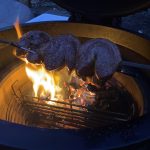
So Chef Eric set the benchmark and my first step was to prep and season the chicken, then to put it on the KJ. The Classic was the oven of choice here, heated up to around 350F, indirect with the heat deflectors in.
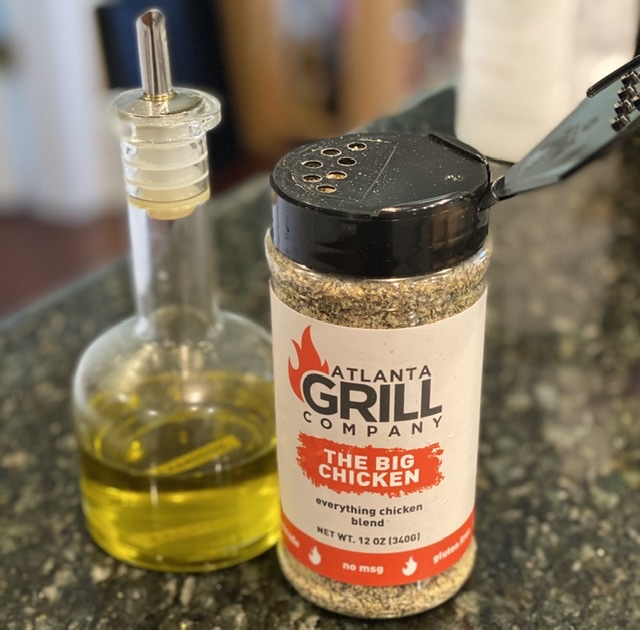
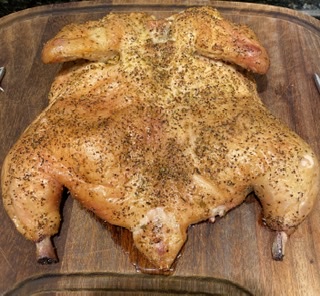
Given that this chicken was just an ingredient into the final dish, I went for a simple rub/season. AGC’s “The Big Chicken” with some olive oil turned out to be a great choice. The chicken was quickly spatchcocked – backbone removed with a pair of boning shears – and then smashed down to break the breastbone. The process isn’t intimidating after the first time, and the benefits of spatchcocking are that you get a more even, quicker cook, and unless it’s my imagination, more meat…or maybe it’s just that more of the meat is accessible and appetising this way.
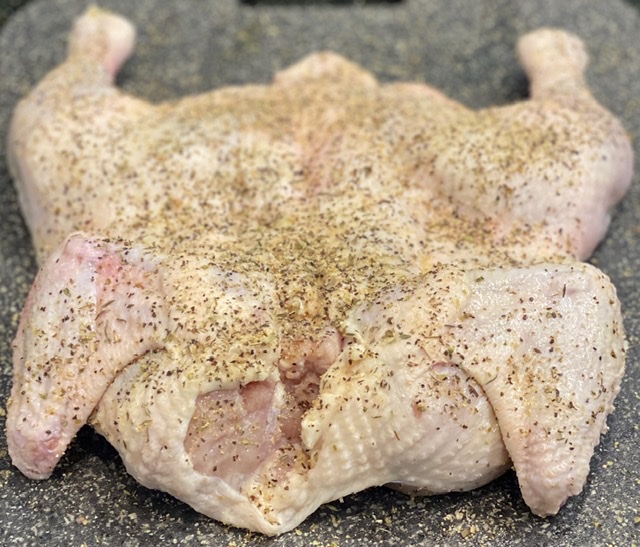
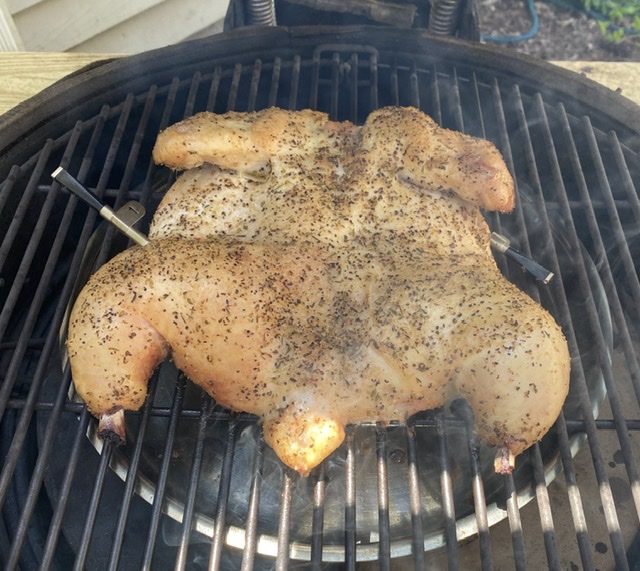
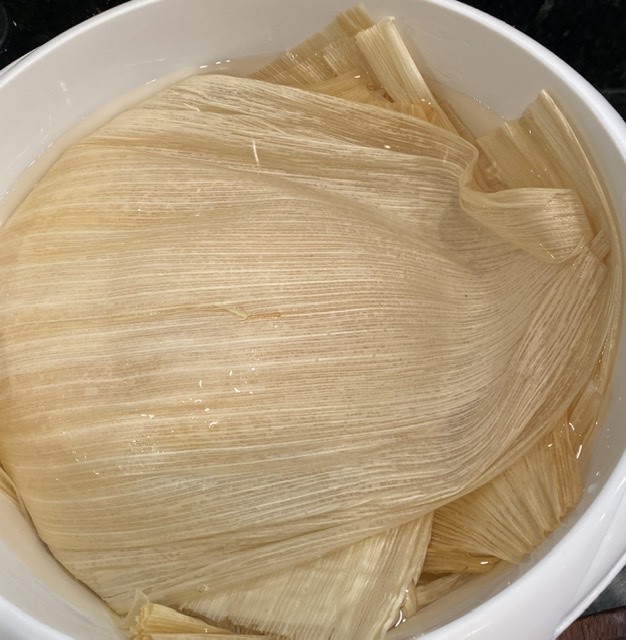
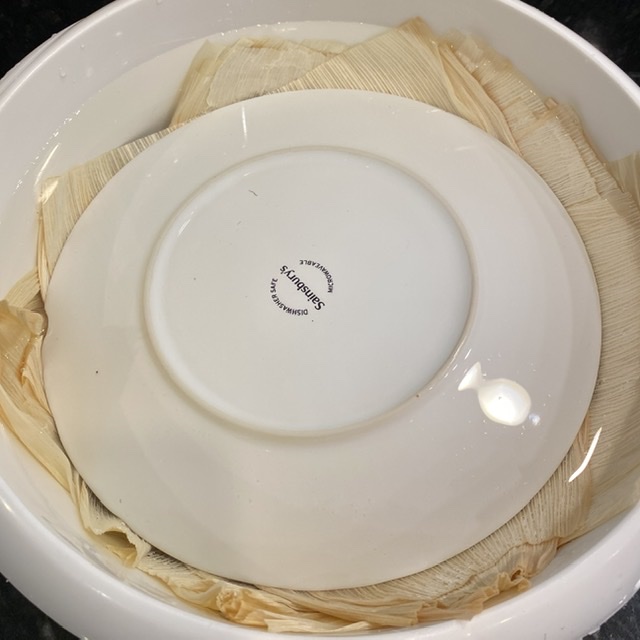
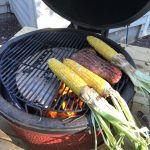
Meater+ probes were set to a target internal temperature of 165F and the chicken loaded up. Predictably with the Kamado Joe, it was solid as a rock and needed no intervention – so gave me time to soak the corn husks and make the masa (corn) batter/dough/mixture.
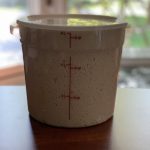
There are five photos below, showing the process of transforming the masa farina (maize flour) into the “dough”, by essentially combining with the chicken stock and the lard. The fourth picture is based on the liquid measurements from Eric Gephart’s recipe. It’s where Eric’s instructions say I should have stopped and, to be fair, looks like a dough, but doesn’t look like his video.
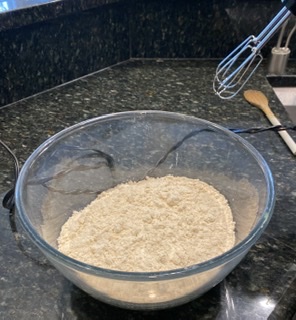
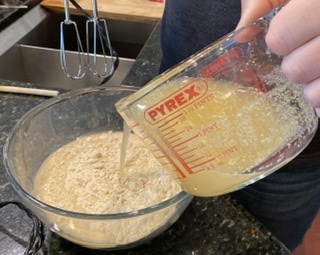
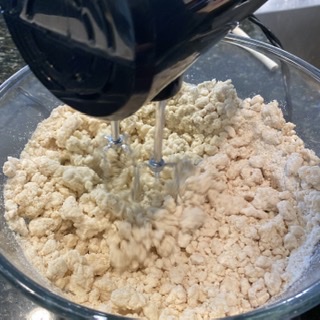
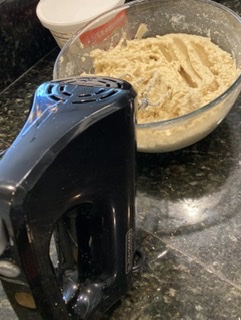
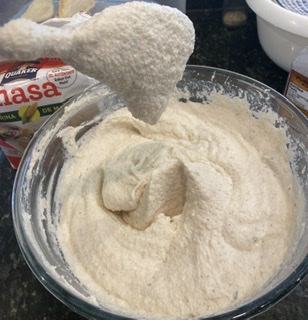
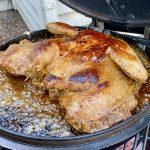
Image number five above was the result of an executive decision to add more water to try to get closer to his video example. MAYBE I should have stopped at the version in the fourth image which was a thick, clay-consistency dough. It actually felt too tough for me to use in the tamale construction, and I had no real reference, having never seen a Tamale before ! Image 5 which was not quite a porridge consistency, did actually feel a little “loose” to be honest, but I went with it in the end. Something to do more research on for next time. Anyway, an hour and 20 minutes passed, and the chicken, cooked to perfection, made a reappearance. The delicious smell of roast chicken was reported a few houses away as it was cooking. Closer to home, the opinion was also positive – from the smells alone, I could have probably served up just that. Note for all you snowflakes – pink means “smoke ring”, not “raw” :-).
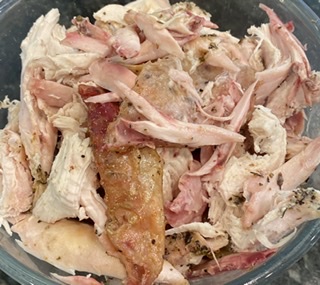
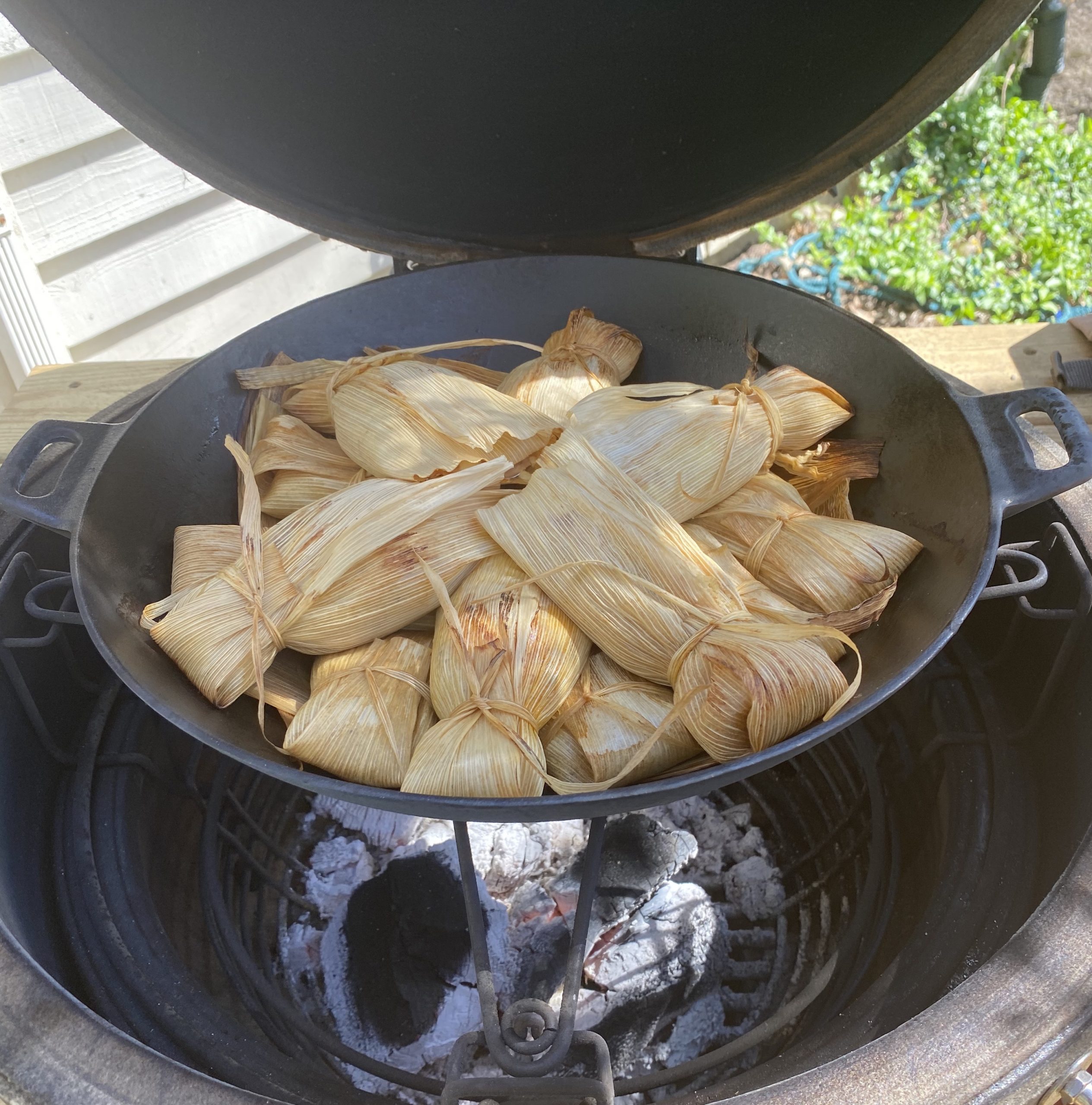
I guess I was so focused on the work that I didn’t take photos of the tamale assembly, but essentially – a soaked corn husk was loaded with some masa, chicken and salsa verde (we didn’t have any of the verde kind – it was actually salsa roja) then packaged up and tied together with some corn husk “string” – pretty cool and very easy. That was repeated a dozen times to produce neat little parcels. The last stage was then to steam them in the Kamado with the KJ Cast Iron wok being drafted (of course I have one !). The wok was part filled with water and the tamales stacked up. The whole lot was covered with more corn husks and the Kamado was set for a steam at 350F. The versatility of this Kamado Joe stuff is just awesome – my barbecue just became a bona fide steamer !
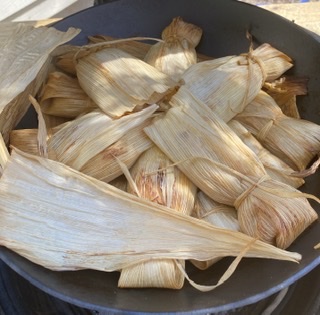
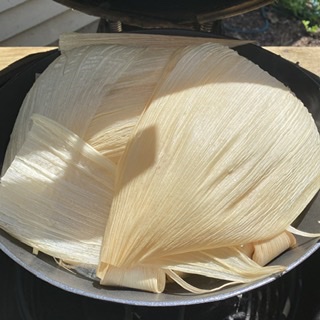
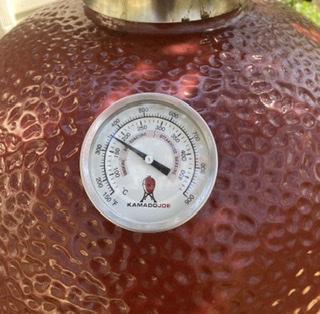
90 minutes later in the steam bath and we were done. The Tamales came out and were served up (with some Margaritas !). The masa had hardened into a very manageable cake, but was predictably bland – maybe it was the excess water, so something to consider for next time. The chicken, queso and salsa made up for it though. Our little family enjoyed Tamales for the first time ever – now whether they were accurate remains to be seen…
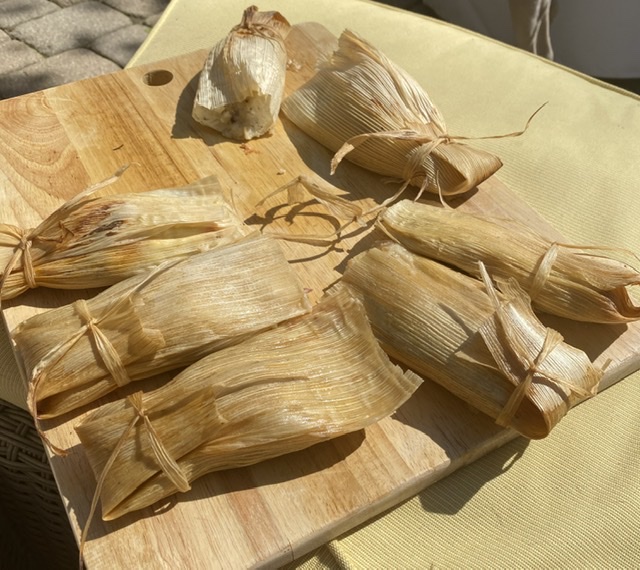
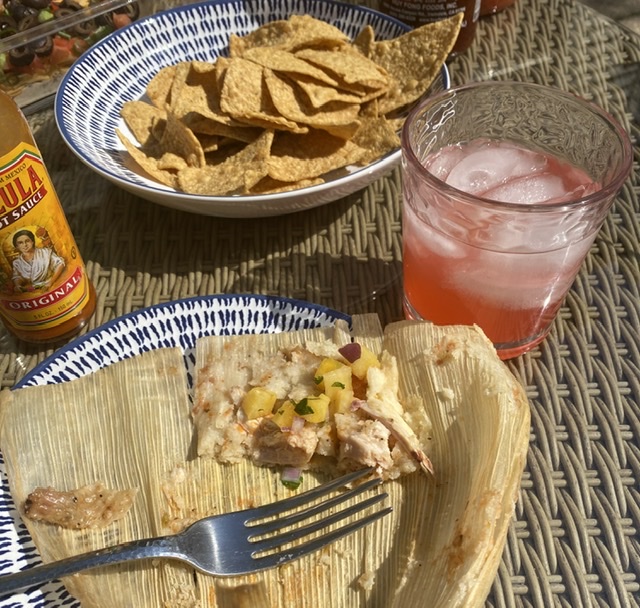
All in all though, a success and all the more fun for having pushed the Kamado in another direction. Great fun, and a great new traditional American dish !
0 comments on “Kamado Tamales”Add yours →